Autonomous Robotics for Harbour Environmental Safety & Operational Efficiency
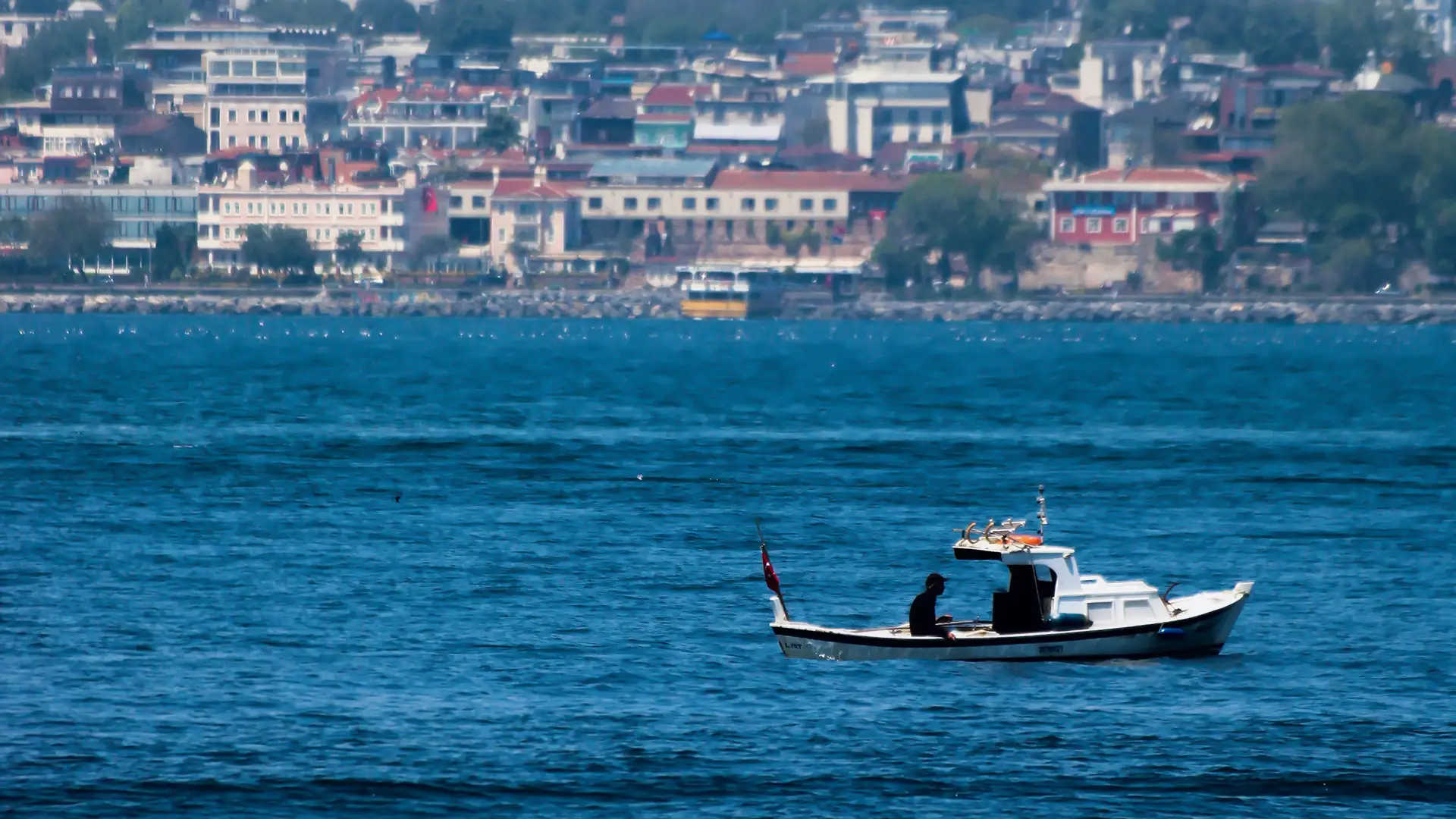
Harbours serve as crucial hubs connecting commercial shipping, inland transport, coastal industrial facilities, and public maritime infrastructure. Operating within complex harbor basins and outer anchorages requires constant vigilance against waterborne hazards, floating debris, and environmental pollution that can impede port operations or breach local environmental regulations.
Deploying L4 autonomous surface cleaning vessels and remote water quality monitoring units allows harbour authorities and port managers to establish 24/7 automated waterway maintenance with significantly reduced operational risk and lower overall costs.
Primary Operational & Environmental Challenges in Harbours
-
Navigation Hazards: Large floating debris, plastic waste, fallen timber, and organic accumulation in harbour basins present collision and entanglement hazards for tugboats, ferries, and commercial vessels.
-
Complex Hydrodynamics & Trash Accumulation: Wind, tidal currents, and heavy vessel traffic push floating debris into harbour corners, shoreline ripraps, and under piers where manual cleanup is difficult or dangerous.
-
Strict Regulatory Compliance: Harbour management must continuously track water quality parameters and mitigate sudden pollution incidents to meet stringent maritime and municipal environmental standards.
-
High Maintenance Overhead: Operating traditional crewed sanitation vessels demands continuous labor, fuel, and scheduling overhead while putting maintenance personnel at risk during night operations or foul weather.
Autonomous Solutions for Harbour Management
1. High-Capacity Surface Debris Interception
-
Continuous Basin & Channel Sweeps: Autonomous cleaning boats perform automated coverage sweeps across busy harbour basins, breakwater interiors, and outer anchorage channels.
-
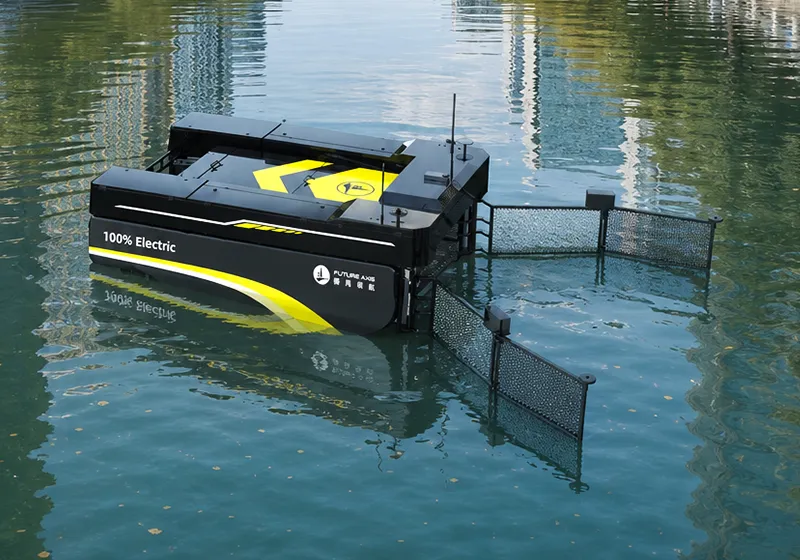
Heavy-Duty Waste Collection: Engineered to collect up to 100 kg of solid floating debris per run—including heavy plastic waste, packaging, fallen leaves, duckweed, and floating organic matter.
-
Dynamic Expandable Sweep Arms: Flexible arm design expands the physical collection width up to 2.8 meters, allowing units to capture scattered surface waste across open harbour waters efficiently.
-
Autonomous Dock Return & Charging: Self-docking capabilities enable automatic inductive charging when battery levels drop, delivering uninterrupted 24/7 operational readiness without complex onshore construction.
2. High-Precision Water Quality Surveillance & Sampling
-
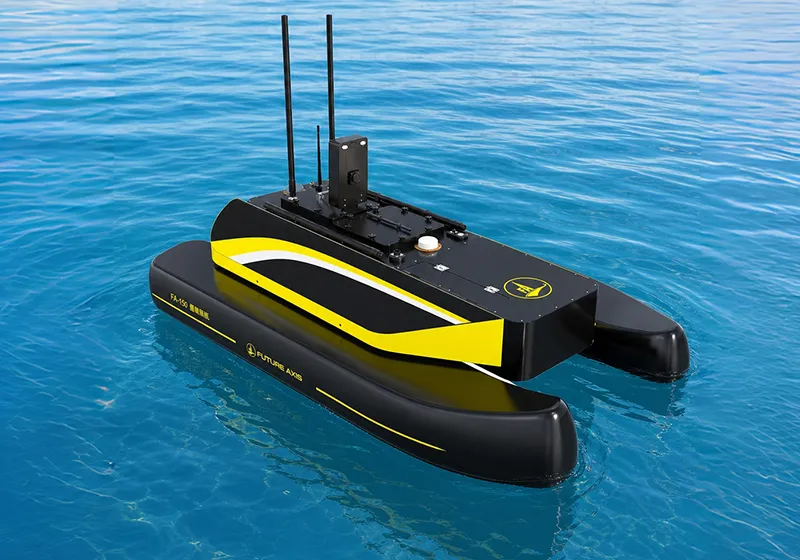
Multi-Parameter Sensor Tracking: Real-time continuous monitoring of essential water health indicators, including pH, dissolved oxygen (DO), turbidity, conductivity, salinity, ORP, chlorophyll-a, blue-green algae, and ammonia nitrogen.
-
GPS-Anchored Physical Sampling: Automated multi-bottle peristaltic pumping systems draw physical water samples at precise GPS coordinates when sensor anomalies occur, preserving sample integrity for official laboratory audits.
-
All-Weather & Shielded Navigation: Dual-antenna RTK-GNSS paired with onboard Inertial Navigation Systems (IMU) ensures precise position tracking under harbour cranes, breakwater walls, and bridge spans.
Strategic Value for Harbour Authorities
-
Up to 75% Operational Cost Reduction: Replaces labor-intensive crewed boat shifts with autonomous fleets, dramatically reducing labor dependencies and operational overhead.
-
Minimized Harbor Downtime: Rapid debris interception keeps fairways clear, reducing vessel delays and thruster damage caused by floating obstacles.
-
Centralized Telemetry & GIS Integration: Operational data, GPS tracks, and real-time water quality charts feed directly into harbour management systems via 4G/LTE.
WELCOME TO FA
We focus on every single detail. OEM & ODM high-end quality products for the international brands.
 All Scenarios