Autonomous Aquatic Robotics for Modern Commercial Ports
Commercial ports are vital global logistics hubs operating under tight schedules, heavy vessel traffic, and strict environmental standards. Maintaining clean, hazard-free port waters is critical to preventing vessel damage, complying with international maritime regulations, and ensuring uninterrupted terminal operations.
Deploying L4 autonomous surface cleaning vessels and real-time water quality monitoring platforms enables port authorities and terminal operators to replace manual, hazardous cleanup operations with automated, 24/7 water maintenance.
Operational Challenges in Port Environments
-
High Risk of Vessel Damage: Floating logs, plastic crates, ropes, and heavy debris in shipping lanes and docking berths pose severe risks to vessel propellers, thrusters, and hulls.
-
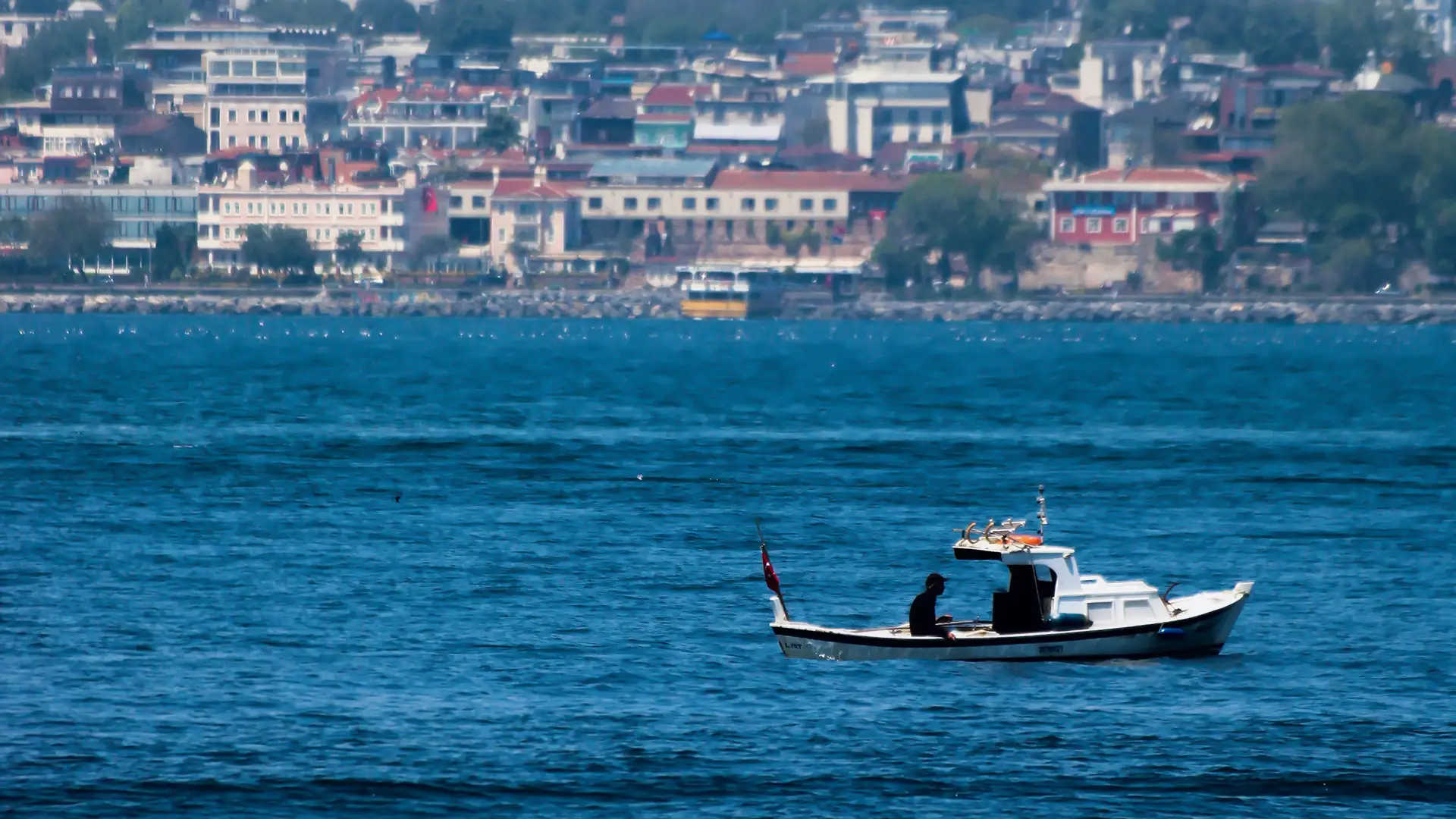
Complex & Busy Traffic: Operating traditional manual cleaning boats in high-density port channels creates collision risks and disrupts commercial shipping schedules.
-
Strict Environmental Compliance: Ports face increasing regulatory pressure to monitor water pollution, control runoff, and report real-time environmental metrics to maritime authorities.
-
Labor Shortages & High Overhead: Crewed sanitation vessels require significant ongoing labor, fuel, and maintenance costs while offering limited daily coverage.
Autonomous Solutions for Commercial Ports
1. High-Capacity Surface Debris Interception
-
Continuous Berth & Channel Patrols: Autonomous cleaning vessels execute scheduled or on-demand sweeps across commercial berths, turning basins, and narrow slips.
-
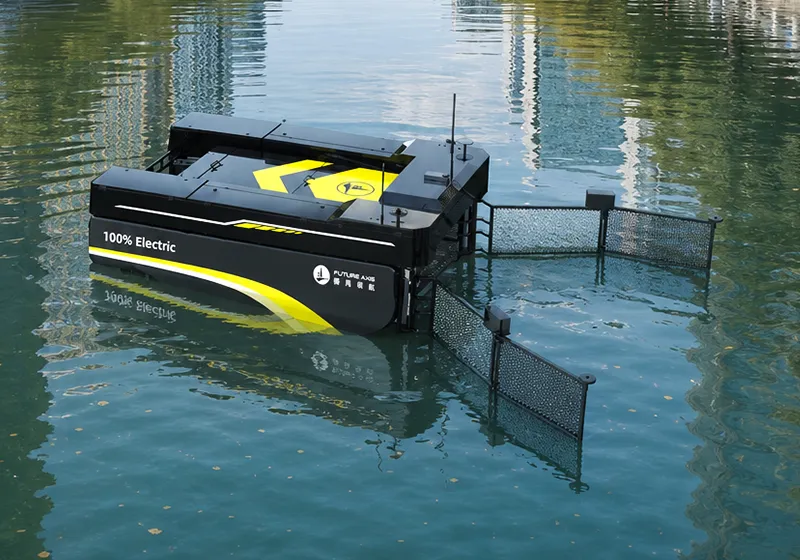
Heavy Debris & Floating Waste Removal: Built to capture up to 100 kg of solid floating waste per run—including heavy plastic debris, packaging, floating organic waste, and fallen debris—preventing intake clogs and thruster entanglement.
-
Expandable Sweeping Reach: Dynamic robotic arms adjust collection widths up to 2.8 meters, ensuring thorough cleaning along pier walls and vessel hulls where floating trash accumulates.
-
Self-Docking Efficiency: Automated dock return and inductive charging capabilities allow 24/7 continuous operations with zero onshore civil construction needed.
2. Intelligent Water Quality Surveillance & Compliance
-
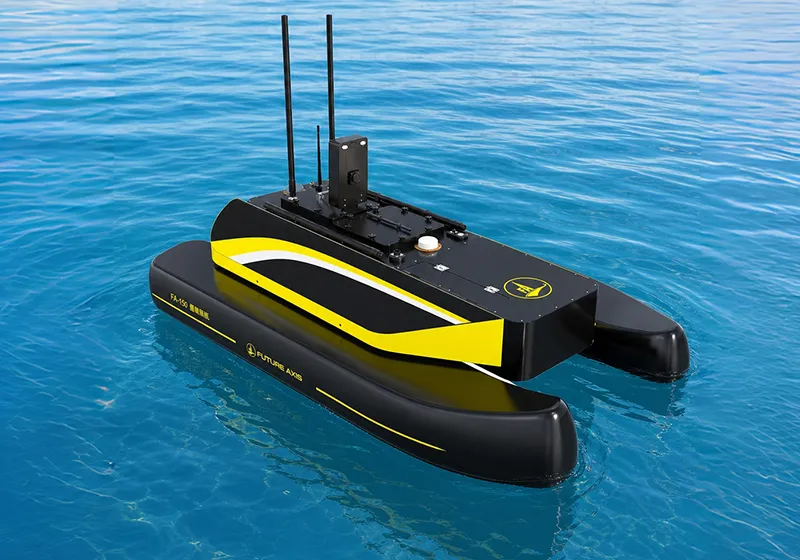
Multi-Parameter Sensor Monitoring: Tracks key water health indicators in real time, including pH, dissolved oxygen (DO), turbidity, conductivity, salinity, ORP, chlorophyll-a, blue-green algae, and ammonia nitrogen.
-
Automated Water Sampling: Integrated multi-bottle peristaltic pumping systems pull physical samples at exact GPS coordinates when pollution anomalies are detected, providing lab-verified data for regulatory reporting.
-
Navigation Near Metal Structures & Under Piers: Dual-antenna RTK-GNSS paired with onboard Inertial Navigation Systems (IMU) ensures precise navigation under cranes, pier overhangs, and around large steel vessel hulls.
Commercial Port Benefits
-
Up to 75% Operational Cost Reduction: Autonomous fleets reduce reliance on crewed vessels, cutting labor and fuel overhead while expanding daily maintenance coverage.
-
Enhanced Port Safety & Efficiency: Keeping berths and fairways clear reduces downtime caused by debris entanglement or vessel hull damage.
-
Seamless TOS & GIS Integration: Real-time water telemetry, GPS tracking, and automated alerts stream directly via 4G/LTE into port management dashboards and environmental monitoring systems.
WELCOME TO FA
We focus on every single detail. OEM & ODM high-end quality products for the international brands.
 All Scenarios