
Preserving Natural Aquatic Landscapes & Scenic Eco-Tourism Destinations
Eco-conscious tourism, national parks, and scenic aquatic destinations rely on pristine natural water features to deliver world-class visitor experiences. However, preserving the natural beauty of lakes, rivers, and scenic water bodies against floating debris, organic waste, and water pollution presents a delicate challenge: traditional cleanup methods using loud diesel engines and intrusive manual labor disrupt local wildlife, compromise air quality, and ruin the serene atmosphere for guests.
Deploying L4-level autonomous surface cleaning vessels and quiet water quality monitoring platforms enables park managers, eco-tourism boards, and conservation teams to maintain pristine natural waters with zero noise, zero emissions, and complete operational discretion.
Key Challenges in Eco-Tourism Water Maintenance
-
Disruption of Natural Serenity: Loud diesel engines, exhaust fumes, and intrusive manual cleanup crews disrupt visitors, ruin photo opportunities, and disturb local wildlife habitats.
-
Rapid Organic & Plastic Waste Accumulation: Seasonal leaf falls, floating algae, duckweed, and windblown visitor litter compromise water clarity and create unpleasant surface build-ups.
-
Strict Eco-Standard Compliance: Protected nature reserves and eco-certified tourism zones demand zero-emission, non-polluting operational practices.
-
Difficult Access Across Vast Waterways: Inspecting and cleaning remote lake coves, winding riverways, and shallow wetland edges via traditional crewed boats is labor-intensive and inefficient.
Autonomous Robotic Solutions for Eco-Tourism & Nature Reserves
1. Silent, Zero-Emission Surface Debris Cleaning
-
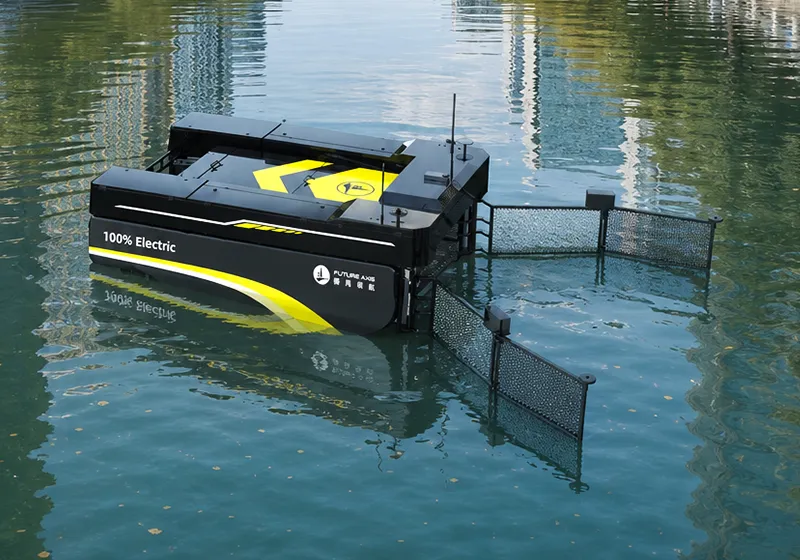
Pure Electric & Eco-Friendly Operation: Whispering-quiet electric propulsion ensures zero noise pollution and zero carbon emissions, preserving peaceful visitor experiences and protecting aquatic fauna.
-
Effective Natural & Plastic Waste Interception: Engineered to capture up to 100 kg of solid floating waste per run—including plastic bottles, packaging, fallen leaves, duckweed, and floating organic matter—preventing debris from decaying on the water bed.
-
Dynamic Sweeping Adaptability: Flexible robotic arms extend collection widths up to 2.8 meters across open scenic lakes while folding neatly to navigate narrow river channels, reed beds, and shallow coves.
-
Autonomous Dock Return: Low-battery auto-return capabilities allow units to recharge seamlessly at hidden onshore or floating docks, delivering continuous 24/7 autonomous maintenance without permanent civil construction.
2. High-Precision Ecological Water Monitoring & Sampling
-
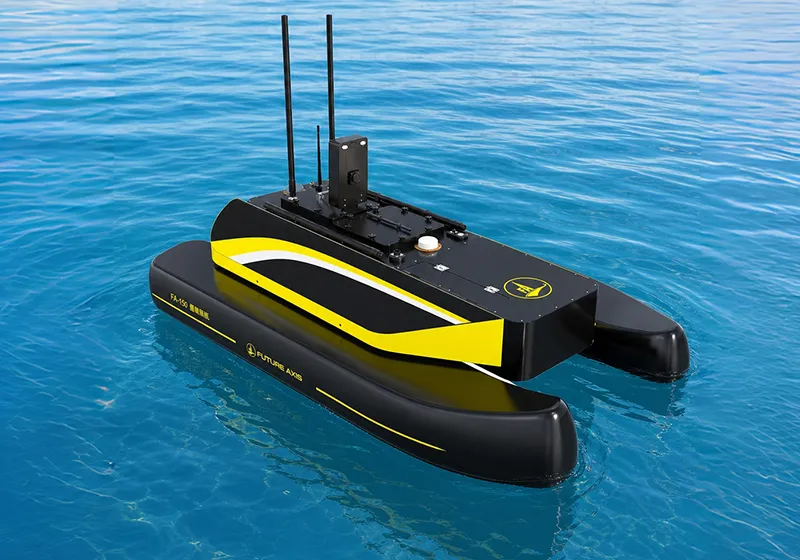
Non-Invasive Sensor Surveillance: Real-time continuous tracking of critical ecological health metrics, including pH, dissolved oxygen (DO), turbidity, conductivity, salinity, ORP, chlorophyll-a, blue-green algae, and ammonia nitrogen.
-
Automated Scientific Sampling: Integrated multi-bottle peristaltic pumping systems draw physical water samples at exact GPS coordinates when ecological anomalies are detected, supplying lab-verified data for conservation researchers and park authorities.
-
Precision Navigation Near Fragile Shorelines: Dual-antenna RTK-GNSS paired with Inertial Navigation Systems (IMU) and collision-avoidance sensors guarantees safe navigation along delicate natural embankments and around natural obstacles.
Strategic Value for Nature Destinations & Eco-Resorts
-
Elevated Guest Experience: Maintains picture-perfect, clear waters silently in the background, enhancing guest satisfaction and eco-brand reputation.
-
Up to 75% Operational Cost Savings: Replaces labor-intensive crewed boat shifts with autonomous fleets, significantly lowering labor dependencies and operational overhead.
-
Real-Time Environmental Telemetry: Live GPS tracking, operational logs, and water health charts stream via 4G/LTE directly to park management dashboards and conservation monitoring systems.
WELCOME TO FA
We focus on every single detail. OEM & ODM high-end quality products for the international brands.
 All Scenarios